
Chatbot Analytics Explained How Data-Driven Perceptivity Ameliorates Client Experience and Business Growth
Businesses that use chatbots frequently concentrate on design, robotization, and discussion inflow. Still, the real value of a chatbot isn’t only in how it talks but in how well it learns. This is where chatbot analytics becomes essential. Chatbot analytics helps associations understand customer gestures, measure performance, and ameliorate client satisfaction using real data rather than hypotheticals.
Chatbot analytics refers to the process of collecting, assaying, and interpreting data generated by chatbot relations. This data shows how users engage with a chatbot, what questions they ask, where they get wedged, and whether the chatbot is successfully working on their problems. When used rightly, chatbot analytics turns conversational data into practicable business intelligence.
This composition explains chatbot analytics in depth, why it matters, how it works, crucial criteria to track, real business use cases, and stylish practices for long-term success.
Understanding Chatbot Data Analytics
Chatbot analytics is the system that tracks and evaluates every interaction between a user and a chatbot. These relations include user dispatches, chatbot responses, session length, response delicacy, and discussion issues.
Unlike traditional website analytics that concentrate on clicks and runner views, chatbot analytics focuses on exchanges. It analyses how users communicate, what language they use, and how effectively the chatbot responds. This conversational data provides deeper perceptivity into client intent, prospects, and pain points.
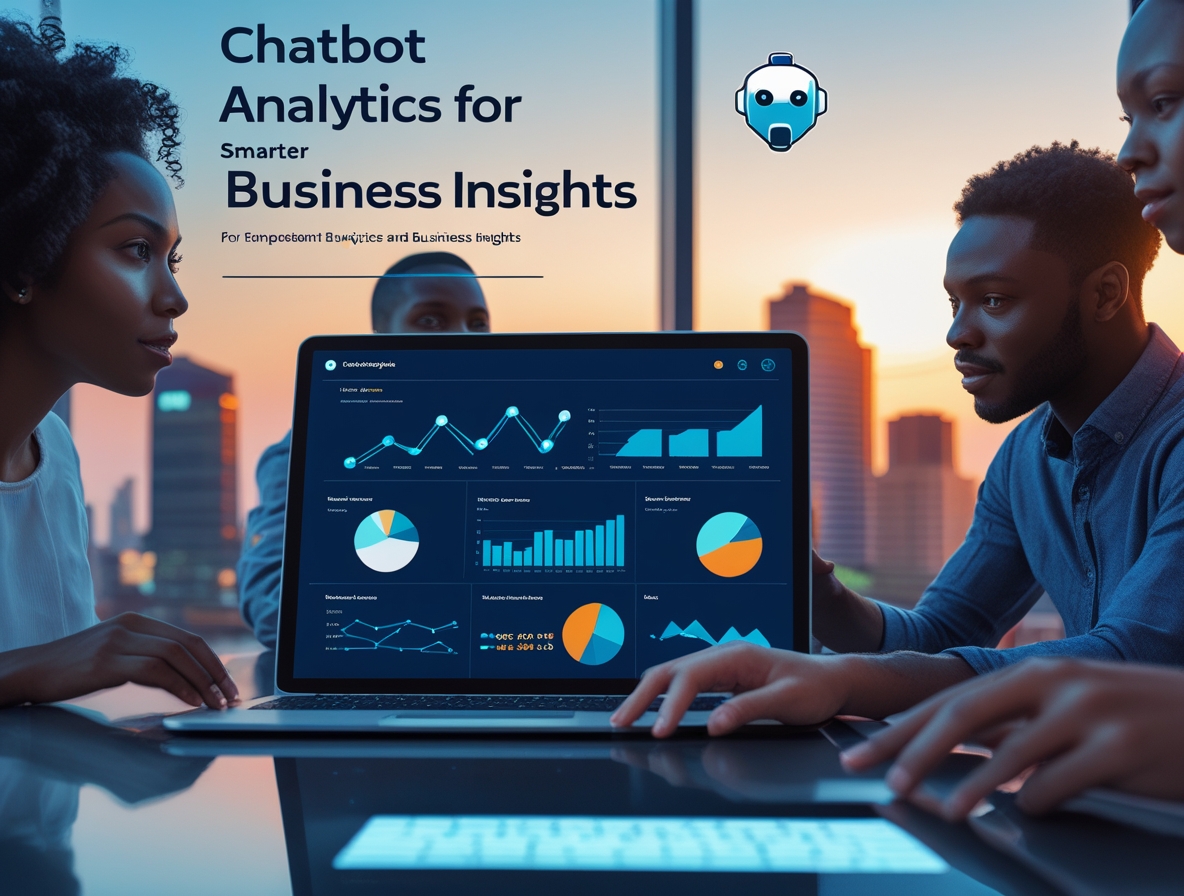
Chatbot analytics platforms frequently include dashboards, reports, and visual summaries that help brigades form informed opinions. These perceptivities are used by marketers, client support brigades, product directors, and business leaders.
Why Chatbot Analytics Is Important for Businesses
Numerous companies emplace chatbots to reduce costs and ameliorate response times. Still, without analytics, it’s impossible to know whether the chatbot is actually helping users or frustrating them.
Chatbot analytics is important because it provides measurable substantiation of performance. It helps businesses understand what’s working and what needs enhancement.
Crucial benefits include
- bettered client experience
- advanced conversion rates
- better chatbot training
- reduced support workload
- data-driven decision timber
When businesses calculate chatbot analytics, they stop guessing and start optimizing based on real stone gestures.
Key Metrics Tracked in Chatbot Data Analytics
Chatbot analytics includes several performance criteria that show how well a chatbot is performing. Understanding these criteria is essential for enhancement.
discussion volume
This metric shows how numerous exchanges the chatbot handles over a specific period. It helps businesses understand demand and peak operation times.
user engagement rate
user engagement rate measures how laboriously users interact with the chatbot. High engagement indicates that users find the chatbot useful and easy to use.
discussion completion rate
This metric tracks how numerous exchanges reach a successful conclusion. A low completion rate may indicate confusion or poor chatbot responses.
Fallback Rate
Fallback rate shows how frequently the chatbot fails to understand a user query and provides a general response. A high fallback rate highlights gaps in chatbot training.
Response delicacy
Response delicacy measures whether the chatbot provides correct and applicable answers. This is especially important for support and deals with chatbots.
Average Session Duration
This metric shows how long users interact with the chatbot. Veritably short sessions may indicate dissatisfaction, while extremely long sessions may indicate inefficiency.
Escalation Rate
Escalation rate tracks how frequently exchanges are transferred to a mortal agent. While some escalation is normal, inordinate escalation suggests chatbot limitations.
How Chatbot Analytics Improves Client Experience
Client experience improves when chatbots deliver accurate, timely, and helpful responses. Chatbot analytics plays a direct part in achieving this thing.
By assaying discussion data, businesses can identify common customer questions and ameliorate chatbot answers. They can describe frustration points where users abandon exchanges or request mortal help.
Chatbot analytics also helps epitomize relations. By understanding user preferences and one gesture, chatbots can deliver more applicable responses, perfecting satisfaction and trust.
Over time, these advancements produce smoother exchanges, brisker judgements, and a more positive brand image.
part of Chatbot Analytics in Business Growth
Chatbot analytics doesn’t only profit support brigades. It also contributes to overall business growth.
For deals brigades, chatbot analytics reveals which questions lead to transformations and which responses drive users down. This helps optimize supreme generation and qualification.
For marketing brigades, chatbot analytics shows client interests, constantly asked questions, and content gaps. This data can be used to ameliorate juggernauts and messaging.
For product brigades, chatbot exchanges reveal real user problems and point requests. This feedback is frequently more honest and immediate than checks.
By aligning chatbot analytics with business pretensions, companies can increase effectiveness, profit, and client fidelity.
Case Study: Ecommerce Brand Using Chatbot Analytics
An online fashion retailer introduced a chatbot to handle order shadowing, returns, and product recommendations. Originally, the chatbot reduced support tickets, but client satisfaction remained unchanged.
After enforcing chatbot analytics, the company discovered that numerous users asked sizing-affiliated questions that the chatbot failed to answer duly. The fallback rate for sizing queries was over 30 per cent.
Using this patience, the company trained the chatbot with detailed sizing attendants and better intent recognition. Within two months, the fallback rate dropped to 10 per cent, and conversion rates increased by 18 per cent.
This case shows how chatbot analytics transforms raw data into meaningful advancements.
Case Study: Banking Sector Chatbot Optimization

A digital bank stationed a chatbot to help guests with account enquiries and sale issues. Chatbot analytics revealed that users constantly escalated exchanges during balance-related queries.
Further analysis showed that the chatbot responses were technically correct but inadequately explained. Guests didn’t trust the information.
The bank revised the chatbot language to be clearer and added evidence prompts. Escalation rates dropped by 22 per cent, and client satisfaction scores improved significantly.
This illustration highlights how chatbot data analytics improves communication quality, not just robotization.
Chatbot Data Analytics and AI Training
Artificial intelligence-powered chatbots calculate nonstop literacy. Chatbot Data Analysis provides the data demanded to train and upgrade AI models.
Analytics helps identify misconstrued intents, unclear language patterns, and missing knowledge areas. Developers use this data to retrain natural language processing models.
Over time, this nonstop feedback circle makes chatbots smarter, more accurate, and more mortal-like in their responses.
Without chatbot data analysis, AI training becomes slow and ineffective.
Sequestration and Ethical Considerations
While chatbot data analysis provides precious perceptivity, businesses must handle data responsibly. user exchanges may contain sensitive information.
Companies should follow data protection regulations, anonymized user data, and easily inform users about data collection practices.
Ethical chatbot data analysis builds trust and ensures long-term sustainability.
Stylish Practices for Using
Chatbot Data Analysis
To get the most value from chatbot analytics, businesses should follow stylish practices.
- Set clear pretensions before assaying data. Know whether the chatbot is meant to reduce support cargo, increase deals, or ameliorate engagement.
- Examiner criteria regularly rather than checking them sometimes. Trends matter further than insulated figures.
- Combine quantitative data with qualitative review. Reading factual exchanges provides the environment behind the criteria.
- unite across brigades. Share chatbot data analysis perceptivity with marketing, deals, and product brigades.
- Continuously update chatbot content and AI models grounded on analytics findings.
Choosing the Right Chatbot Data Analysis Tool
Not all chatbot data analysis tools offer the same capabilities. Businesses should choose tools that align with their requirements.
Look for tools that give real-time dashboards, intent position analysis, discussion reiterations, and exportable reports.
Integration with CRM and client support systems is also important for a unified view of client data.
Scalable analytics tools ensure long-term growth without performance issues.
The Future of Chatbot Data Analysis
The future of chatbot data analysis is moving toward prophetic perceptivity. Advanced analytics won’t only explain what happened but also prognosticate user requirements.
Voice-grounded chatbot analytics, sentiment analysis, and emotion discovery are getting more common.
As conversational AI evolves, chatbot analytics will become a core element of digital strategy rather than a supporting point.
Final studies
chatbot data analysis is the foundation of successful conversational AI. It transforms chatbot relations into meaningful perceptivity that ameliorates client experience, optimizes operations, and drives business growth.
Businesses that invest in chatbot analytics gain a competitive advantage by understanding their guests at a deeper level. Rather than counting on hypotheticals, they use real data to ameliorate every discussion.
By tracking the right criteria, applying perceptivity strategically, and continuously enriching chatbot performance, associations can unleash the full potential of chatbots.
chatbot data analysis isn’t just about measuring exchanges. It’s about learning from them and erecting smarter, more helpful digital guests.