
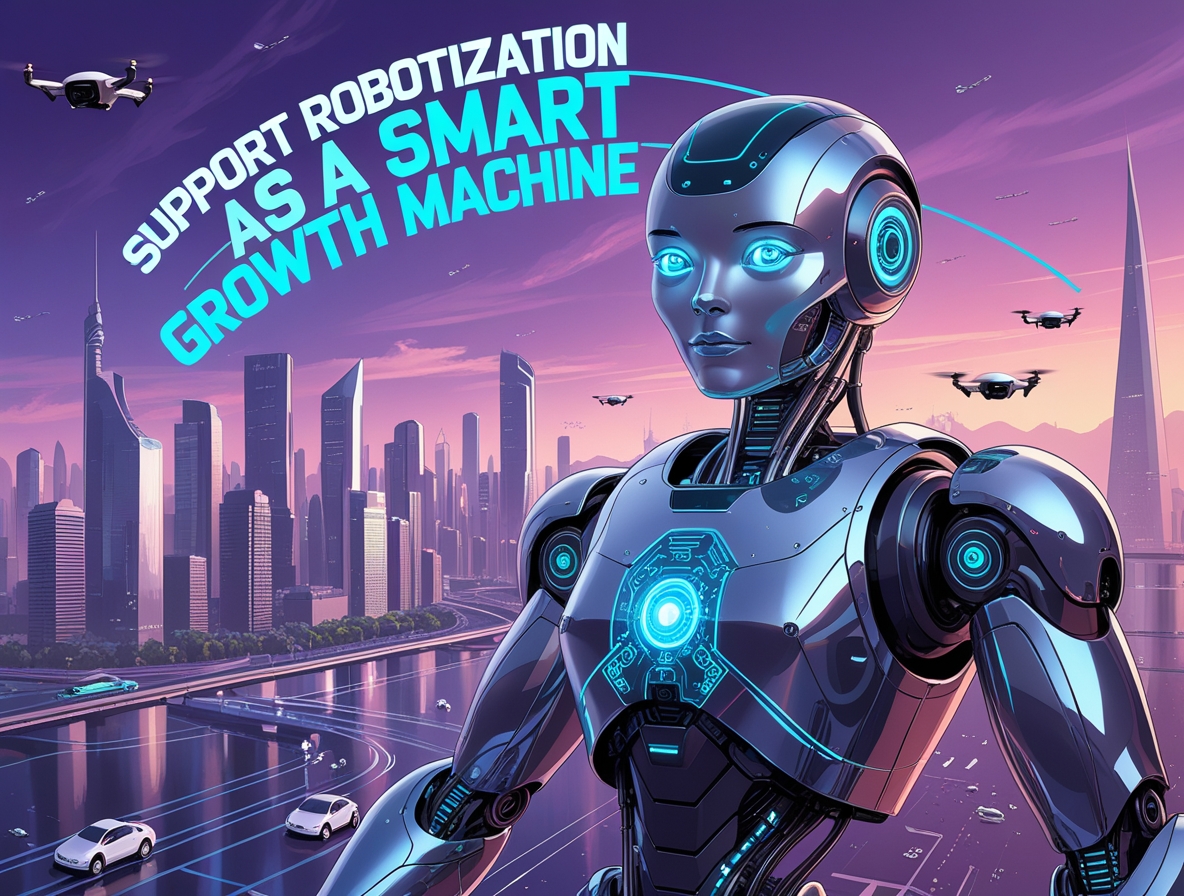
Support Robotization as a Smart Growth Machine for Ultramodern Businesses
Client prospects continue to rise across every industry. People want quick answers, accurate information, and helpful guidance without staying. Businesses that fail to meet these prospects frequently lose trust, fidelity, and profit. This challenge has made support robotization an essential strategy rather than a voluntary upgrade.
Support robotization helps companies manage client relations using intelligent systems that respond, help, and guide users without constant mortal involvement. When used rightly, it improves service quality, reduces workload, and builds long-term client confidence. This composition explains what support robotization is, how it works, its benefits, real-world use cases, and how businesses can apply it successfully.
What Support Robotization Really Means
Support robotization refers to the use of software tools powered by artificial intelligence or machine literacy to handle client support tasks automatically. These tools answer common questions, route tickets, shoot updates, and indeed resolve simple problems without mortal agents.
The thing about supporting robotization is that it isn’t to replace people. Rather, it supports mortal brigades by handling repetitious tasks so agents can concentrate on complex and high-value exchanges. This balance creates a brisk and more dependable support experience.
Support robotization can work across numerous channels, similar to websites, mobile apps, dispatch, and live conversation platforms. It ensures guests admit harmonious help at any time zone or business hours.
Why Supporting Robotization Matters for Client Experience
Client experience is shaped by speed, clarity, and treatability. Support for robotization directly improves all three areas.
- When guests get instant responses, they feel valued.
- When answers are accurate, they trust the brand.
- When support is available at all times, frustration is reduced. Support robotization enables businesses to meet these prospects constantly.
Another crucial factor is emotional experience. Guests dislike repeating the same issue to multiple agents. Automated systems store discussion history and environment, which creates smoother relations and shows professionalism.
Core Benefits of Supporting Robotization for Businesses
Support for robotization offers measurable advantages that directly impact growth and effectiveness.
1. Faster Response Times
Automated systems reply incontinently to common questions. This removes long delay times and improves satisfaction. Guests can get help indeed during peak hours or outside office schedules.
2. Lower Functional Costs
Handling repetitious queries manually requires large support brigades. Support robotization reduces this burden by managing routine tasks automatically. Businesses save plutocrats while maintaining service quality.
3. Harmonious and Accurate Answers
Mortal crimes are especially common during busy ages. Automated support tools give harmonious information grounded on predefined knowledge. This improves treatability and brand credibility.
4. Improved Team Productivity
Support agents spend less time on repetitious issues. They can concentrate on complex problems that bear empathy, judgment, and moxie. This improves job satisfaction and service issues.
5. Better Data and Perceptivity
Support robotization tools that collect data on common client gestures and response effectiveness. Businesses can use this data to ameliorate products, services, and support strategies.
Common Types of Support Robotization Tools
Different tools serve different support requirements. Numerous businesses combine several types to produce a complete system.
Chatbots and Virtual Sidekicks
Chatbots are one of the most popular forms of support robotization. They interact with users through converse interfaces and answer questions grounded on knowledge bases or AI models.
Advanced chatbots understand intent, environment, and former relations. They can guide users through processes similar to account setup, order shadowing, or troubleshooting.
Automated Ticketing Systems
These systems produce, organize, and assign support tickets automatically. They classify issues, prioritize critical cases, and route tickets to the right brigades.
Automated marking reduces response detainments and prevents issues from being overlooked.
Self-Service Knowledge Bases
Knowledge bases allow guests to find answers on their own. Support robotization helps by suggesting applicable papers grounded on users’ queries or gestures.
This empowers users and reduces the volume of support requests.
Dispatch and announcement robotization
Automated emails inform guests about ticket updates, delivery status, or account changes. Timely communication builds trust and reduces follow-up inquiries.
Support robotization use cases. Across diligence
Support for robotization isn’t limited to one sector. It delivers value across numerous diligences.
E-commerce and Retail
Online stores admit large volumes of analogous questions about shipping returns and product details. Support robotization handles these inquiries incontinently.
Case Study
An e-commerce brand enforced chatbot-grounded support robotization for order shadowing and return programs. Within three months the company reduced support tickets by forty percent and bettered client satisfaction conditions significantly.
Software and SaaS Companies
Software users frequently need guidance with setup features or troubleshooting. Support robotization provides instant specialized backing and directs complex issues to mortal agents.
Case Study
A SaaS platform introduced automated onboarding support using chatbots and knowledge base suggestions. New user activation rates increased, and support workload dropped during peak onboarding ages.
Healthcare and Appointment Services
Healthcare providers use support robotization to handle appointment scheduling, reminders, and introductory inquiries. This improves patient experience while reducing executive tasks.
Case Study
A clinic automated appointment documentations and constantly asked questions. Missed movables dropped, and staff could concentrate more on patient care.
Financial Services
Banks and fiscal platforms use support robotization for balance inquiries, sale status, and security cautions. Robotization ensures delicacy and compliance while maintaining client trust.
How Support Robotization Builds Trust and Authority
Google EEAT principles emphasize experience, moxie, authority, and trust. Support robotization contributes to all four when enforced courteously.
- Experience is bettered through fast, helpful responses.
- Moxie is reflected in accurate and well-structured answers.
- Authority is erected by harmonious service quality.
- Trust grows when guests feel supported at all times.
Automated systems must be designed with quality content, clear language, and vindicated information. Regular updates ensure delicacy and applicability.
Stylish Practices for Enforcing Support Robotization
Successful support robotization requires planning strategy and ongoing optimization.
1. Start with clear objects.
Identify which support tasks consume the most time. Focus robotization on repetitious and high-volume issues first.
2. Keep Language Simple and Mortal
Automated responses should sound friendly and professional. Avoid robotic or exorbitantly specialized language. Simple English improves understanding and satisfaction.
3. Combine robotization with moral support.
Robotization should offer an easy path to mortal agents when demanded. This balance prevents frustration and builds confidence.
4. Regularly Update Knowledge Content
Outdated information damages trust. Review and update automated responses and knowledge bases regularly.
5. Examiner Performance and Feedback
Track criteria similar to resolution time, client satisfaction, and escalation rates. Use feedback to upgrade automated workflows.
Challenges and How to Overcome Them
Supporting robotization is important but not without challenges.
Over robotization threat
Too important robotization can feel impersonal. Avoid forcing robotization where mortal empathy is needed. Always give a mortal option.
Poor Training Data
AI-grounded tools depend on quality data. Ensure training data is accurate, applicable, and different.
Integration Complexity
Support robotization must integrate easily with being systems. Choose tools that offer flexible integration options.
The Future of Support Robotization
Support robotization continues to evolve with advancements in artificial intelligence and natural language understanding. Unborn systems will become more conversational, prophetic, and substantiated.
Robotization will anticipate users’ requirements grounded on gesture and history. It’ll give visionary support before issues arise. Businesses that borrow support for robotization beforehand will gain a competitive advantage.
Why Supporting Robotization Is a Strategic Investment
Supporting robotization isn’t just about cost reduction. It’s a strategic investment in client experience, brand character, and long-term growth.
Businesses that deliver presto, dependable, and helpful support earn fidelity and positive word of mouth. Support robotization makes this possible at scale.
When combined with professed mortal brigade support, robotization creates an important support ecosystem that benefits both guests and associations.
Final studies
Support robotization has become a foundation of ultramodern client service. It helps businesses meet rising prospects while maintaining effectiveness and quality.
By using the right tools, following stylish practices, and focusing on client needs, businesses can turn support robotization into a growth motorist rather than just a support function.
Associations that embrace the support robotization movement position themselves for stronger connections, advanced trust, and sustainable success.