
How Automated Response Is Transforming Client Communication and Business Growth
Discover how smart automation helps businesses reply faster, build trust, and grow — without losing the human touch.
What Exactly Is an Automated Response?
An automated response is a pre-set reply that gets delivered automatically the moment a customer takes a specific action — such as sending a message, filling out a contact form, signing up for a newsletter, or visiting a particular page on your website.
Think about the last time you submitted an enquiry online and immediately received a confirmation message saying, “Thanks for reaching out — we’ll be in touch shortly.” That’s automated response in action. It’s simple, it’s instant, and it reassures the customer that their message was received.

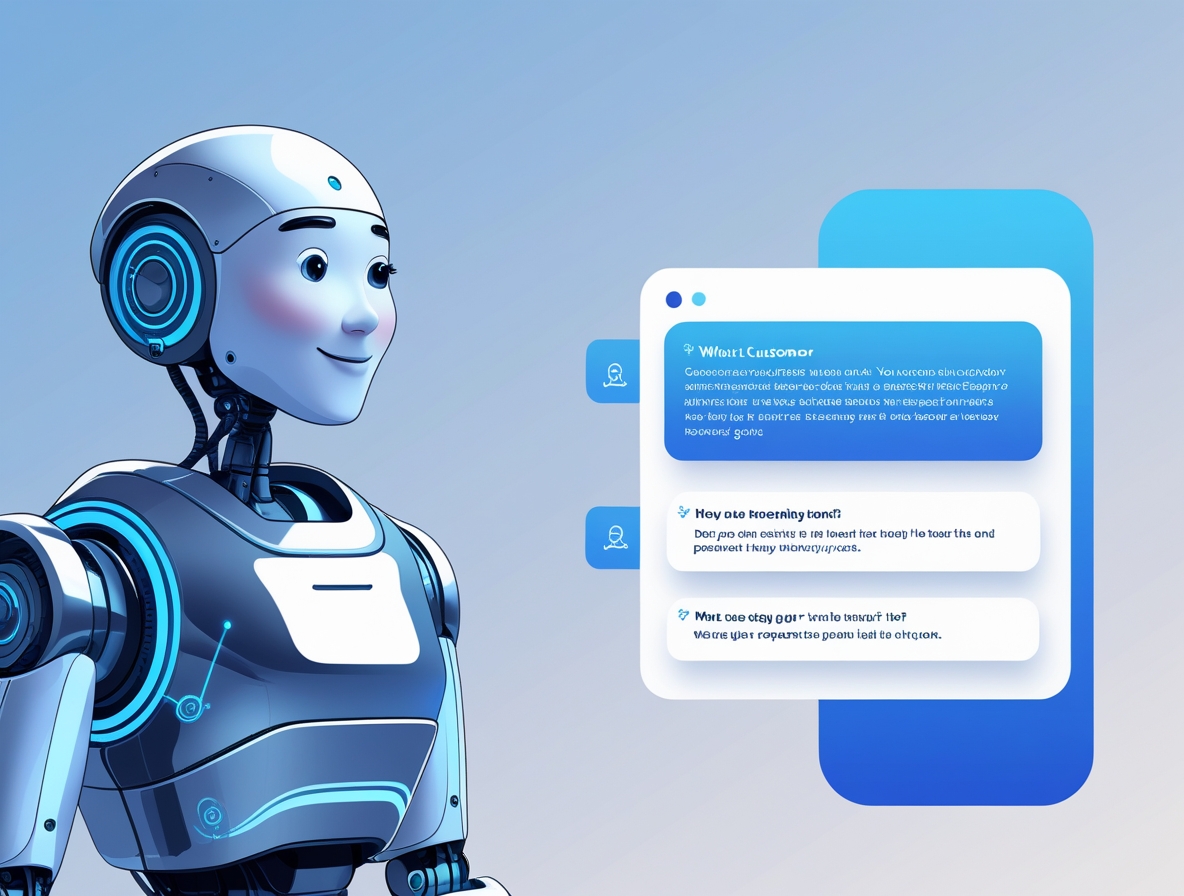
Automated systems bridge the gap between customer enquiries and timely business responses.
💡 The goal of automated response is not to sound like a robot — it’s to acknowledge the customer immediately, deliver useful information, and guide them toward their next step without making them wait.
Response Time Has Never Been More Important
Customer expectations have shifted dramatically over the past decade. People are used to instant messaging, real-time updates, and on-demand access to everything. When they reach out to a business and have to wait hours — or worse, days — for a reply, it signals a lack of professionalism and respect for their time.
Research consistently shows that businesses that respond quickly to enquiries convert significantly more leads than those that delay. A potential customer who doesn’t hear back within the first hour is far more likely to move on to a competitor.

Today’s customers expect real-time engagement — automated tools help businesses meet that demand at scale.
Automated response systems make it possible to reply instantly — even at midnight, on a public holiday, or when your entire team is occupied with other priorities. And when done well, these responses don’t feel cold or impersonal. They feel helpful and professional.
How Automated Response Elevates the Customer Experience
One of the most powerful benefits of automated response is the immediate improvement it creates in how customers feel about interacting with your brand. When someone sends a message and receives an instant acknowledgment, they feel valued — even if the full resolution comes later.
- Customers receive instant confirmation that their enquiry was received
- Common questions about pricing, hours, and availability are answered on the spot
- Customers are guided to the right next step without needing to wait
- Frustration caused by unanswered messages is eliminated
- The overall experience feels smooth, professional, and reliable

Customers who receive fast, clear responses are significantly more likely to stay engaged with your brand.
When customers get the information they need quickly, they don’t feel the need to look elsewhere. That simple improvement in experience translates directly into stronger loyalty and higher conversion rates.
Building Lasting Trust Through Consistent Communication
Trust is built through consistency — not occasional acts of great service. When a business always responds, every single time someone reaches out, it signals reliability. Customers begin to associate your brand with dependability, and that reputation becomes one of your most valuable assets.
Automated response systems ensure that no message ever goes unacknowledged, regardless of how busy your team is, what time it is, or how many enquiries are coming in simultaneously. Every customer receives the same level of attention.

Businesses that respond consistently earn more trust — and more loyal customers — over time.
💡 Well-crafted automated messages also eliminate common human errors — such as forgetting to reply, sending incomplete information, or using inconsistent messaging. Every response is accurate, complete, and on-brand.
Empowering Your Team — Not Replacing Them
A common worry about automation is that it strips out the human element from customer relationships. When implemented thoughtfully, however, the opposite is true. Automated responses take repetitive, time-consuming tasks off your team’s plate — freeing them up to focus on the interactions that genuinely require human empathy, creativity, and problem-solving.
Instead of answering the same ten basic questions over and over, your support team can invest their time in resolving complex issues, building relationships with high-value customers, and contributing meaningfully to business growth.
Chatbot handles FAQs instantly
Common questions are answered in seconds without human input.
System collects key customer details
Name, query type, and preferred contact time are captured automatically.
Complex cases escalate to humans
Real agents step in only when genuine expertise or empathy is needed.
Team focuses on what matters most
High-value conversations, relationship-building, and creative problem-solving.
📌 Real-World Example: Small Business Transformation
A small online service provider was receiving dozens of enquiries every day. Before implementing automated response, customers would often wait several hours for even a basic acknowledgment. During that waiting period, many potential clients lost interest and went elsewhere.
After setting up a simple automated response system, every enquiry received an instant reply with essential information and a clear call-to-action. The system also quietly collected key details — such as what the customer needed and when they preferred to be contacted — so the team could follow up with more targeted, effective conversations.
Automated Response as a Powerful Lead Generation Tool

Timing is everything in lead generation — automated responses capture interest before it fades.
In sales and marketing, timing is everything. When someone shows interest in your product or service, the window of opportunity is often short. An instant automated response can be the difference between closing a lead and losing one.
When a user downloads a resource, signs up for a webinar, or submits a contact form, an automated response can immediately deliver what they asked for, explain what happens next, and keep them engaged in your ecosystem. In more advanced setups, automated systems can even ask qualifying questions to help your sales team prioritize the most promising leads — improving efficiency and revenue outcomes.
Always Available — Without the Overhead Cost
Providing round-the-clock human support is expensive and logistically challenging for most businesses. Automated response systems solve this problem elegantly — making your business available 24 hours a day, 7 days a week, without adding to your payroll.

Automated systems keep your business active and responsive even when your team is offline.
Customers can get helpful information late at night, over the weekend, or on public holidays. Even if the automated response only provides basic details, it’s infinitely better than silence. This around-the-clock availability is especially valuable for businesses serving customers across different time zones and international markets.
Keeping Your Brand Voice Consistent at Every Touchpoint
Every message your business sends is a reflection of your brand. Automated responses are no exception. When written thoughtfully, they can carry exactly the same personality, tone, and warmth as your best human-written messages — whether that tone is professional and formal, friendly and conversational, or something in between.
Businesses that invest time in crafting quality automated messages stand out from those that rely on generic, template-sounding replies. A well-written automated response, tailored to your brand voice and your customer’s context, can feel just as personal and thoughtful as a message written by a real person.

A consistent brand voice across all automated communications builds recognition and trust with customers.
Using Automated Response Ethically and Responsibly
Automation is a powerful tool, but it must be used with care and transparency. Customers should never feel deceived or trapped in a loop of robotic replies with no way out. Responsible automated communication means being honest about what customers are interacting with and always providing a clear path to a real human when needed.
- Always make it clear when a response is automated, especially if no human is immediately available
- Never overpromise or deliver inaccurate information in automated messages
- Always offer customers a clear option to speak with a real person
- Keep automated messages honest, helpful, and free of misleading claims
- Regularly review and update automated content to ensure ongoing accuracy
Tracking the Real Impact of Your Automated Responses

Tracking key metrics helps businesses continuously improve the effectiveness of their automated systems.
Implementing automated response is just the beginning. To get the most value from your system, you need to regularly measure its performance. Key metrics to monitor include average response time, message open and engagement rates, lead conversion rates, and overall customer satisfaction scores.
Customer feedback — gathered through surveys, follow-up emails, or direct conversations — also provides invaluable insights into where your automated responses are performing well and where they could be improved. Continuous testing and refinement ensure your system stays relevant and effective as your customers’ needs evolve.
The Future of Automated Response Technology
The technology behind automated response is advancing rapidly. Artificial intelligence and machine learning now allow systems to understand context, recognize intent, learn from past interactions, and deliver increasingly personalized responses — not just keyword-triggered templates.

AI-powered automation is moving from simple reply systems to intelligent, context-aware communication tools.
But no matter how sophisticated the technology becomes, the core purpose remains unchanged: communicate clearly, respond quickly, and support your human teams in delivering an exceptional experience. Businesses that keep that purpose at the centre of their automation strategy will be the ones that benefit most — both now and in the years ahead.
How to Implement Automated Response the Right Way
Getting the most out of automated response comes down to thoughtful execution. Here are the principles that separate effective automation from frustrating, impersonal experiences:
- Keep messages clear and concise — Customers should understand exactly what the message is telling them within seconds of reading it
- Guide, don’t overwhelm — Give customers one clear next step, not a wall of information
- Match your brand tone — Every automated message should sound like it came from your brand, not a generic system
- Review regularly — Prices, policies, and procedures change — make sure your automated messages keep up
- Test before you launch — Always test your automated flows from the customer’s perspective before going live
- Include a human fallback — Always give customers a way to reach a real person if they need more help
Frequently Asked Questions About Automated Response
Final Thoughts: Automation That Serves Your Customers First
Automated response is no longer a luxury reserved for large corporations. It’s an accessible, practical tool that businesses of all sizes can use to communicate faster, build trust more consistently, and grow more efficiently. When implemented with care — putting the customer’s experience at the centre of every decision — automation doesn’t diminish the human element of your business. It amplifies it.
This is amazing 👏